
Book Review
Don't Call Us Dead

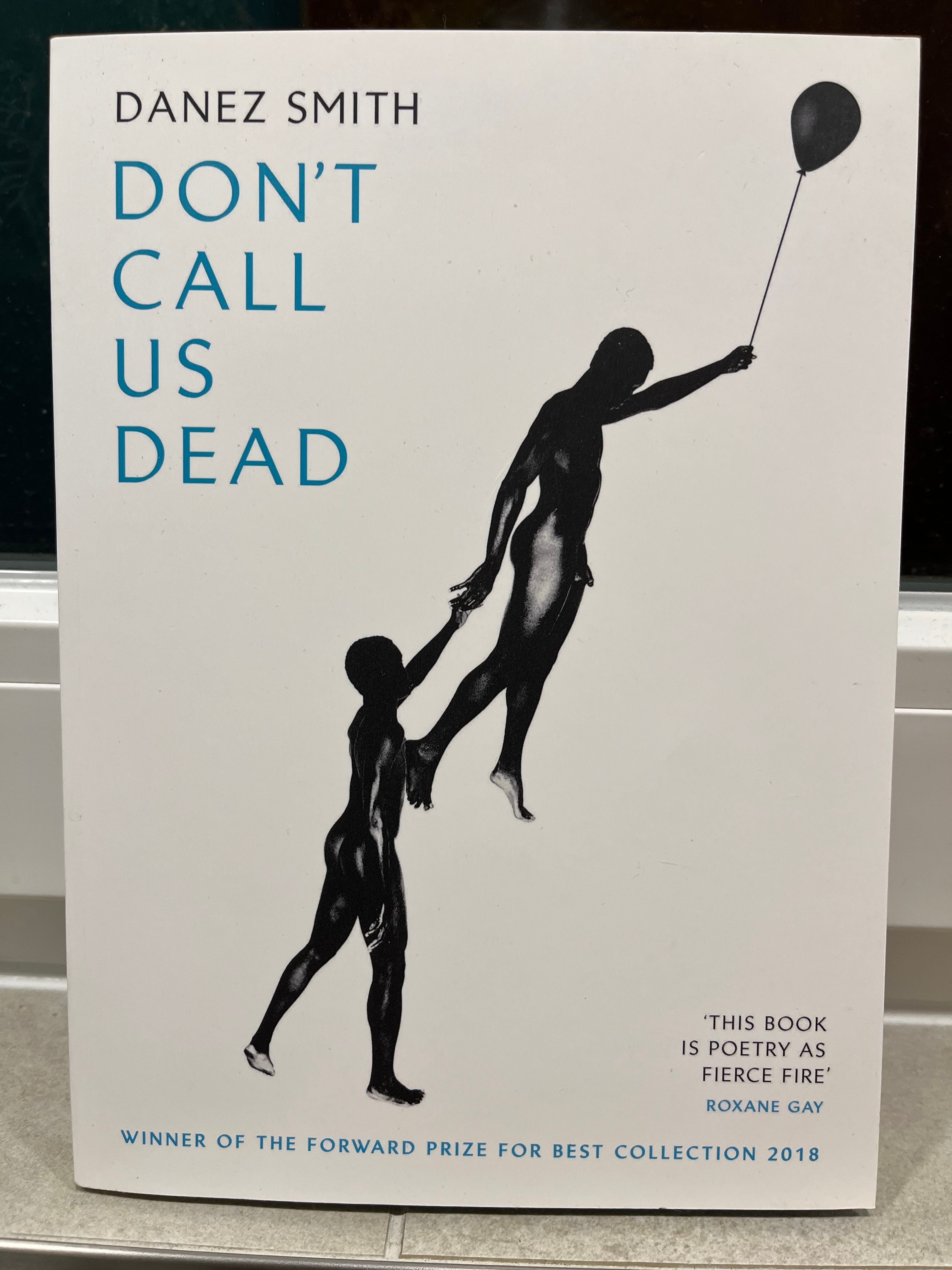
This collection of poetry is not for the faint of heart. I’ve tried to read it twice, but it simply did not resonate with me, artistically or spiritually. I did manage to read it once, and it gave me nightmares and bothered my conscience. I found myself battling dark thoughts that tried to plant themselves in my subconscious mind. Mainly negative judgments and critiques about Danez Smith and black gay males in general. Am I a bigot for not wanting to read poetry that celebrates gay sex, or am I a heterosexual man turned off by something that feels unnatural and immoral to me? Am I allowed to have these feelings in today’s society, or should I cave in and accept as normal a lifestyle that leads to so much pain and suffering?
I decided to read Don’t Call Us Dead anyway to be as open-minded as possible, despite what this collection covered. Initially, all I knew was the author’s name that came up in Google’s search engine for black contemporary poets (Danez Smith). He received praise and accolades for his work, so I was intrigued and bought the first book that came up on Amazon. When the book was delivered, I read the back material. I realized I had purchased something that I never would have had if I read the back material. However, I decided to take a chance—to force myself out of my comfort zone and read literature that had won various awards.
What I got out of this collection was sympathy and empathy. I feel sorry for those who place sex as the center of their existence and motivations. This is not to say that every queer person does this, but I couldn’t put this book down without realizing how much sex plays a role in the life and work of the author, and by extension, his community. I also understand that everyone has their cross to bear, so I shy away from condemning people because of their behavior. I’m not a saint either, so I don’t want to be a hypocrite and pretend that I’m holier than he is, because I am not. I’ve felt the pain of what it means to be black and deal with persecution by the greater society. So in many ways, his poetry spoke to me, but left me stranded when he veered into uncharted territory.
There is talent here, but it wallows in appalling confessions that probably put most readers off. The book drowns in its own explicitness. It fails to show restraint or play with nuanced truths; instead, it revels in uncomfortable scenarios like promiscuous sex, blacks being hunted or persecuted, and the transmission of STDs and HIV. Some revelations, like the stigma of being HIV positive and hiding it, but tricking others into sleeping with you unprotected, are gut-wrenching truths that plague the queer community. It was hard for me not to remain unbiased. However, I forced myself to simply listen, learn, and accept the author’s lived experience. Besides, who am I to argue about its beauty or sensibilities? The collection obviously resonated with many, so perhaps it was simply not made for me, and I have to accept that without the need to speak negatively about the author or his collection.
I give Don’t Call Us Dead two out of five stars. The poetry itself is fairly okay, but it’s burdened by pain and debauchery that stifles the voice and view of the author. Maybe someone else has a different opinion of this collection. I’d love to hear it.
That’s all I have for now. Take care, and Godspeed.